How to Create Custom Travel Itineraries with Ease
A beautiful hotel and a coveted dinner reservation are only the beginning. The difference between a pleasant trip and an exceptional one is how each day feels: unhurried when it should be, lively when you want energy, and thoughtfully arranged so that no one is spending precious vacation time solving logistics. Learning how to create custom travel itineraries begins with a simple shift in thinking: plan around the traveler, not a checklist of sights.
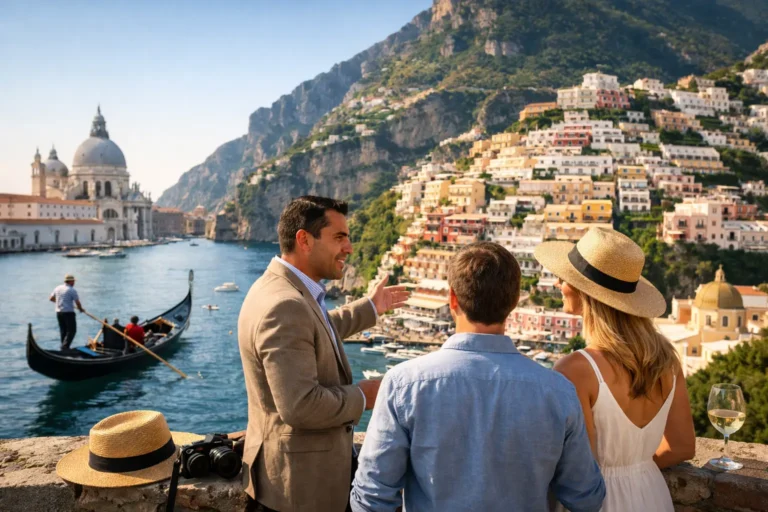
For a honeymoon in Italy, that might mean a private boat arriving at a Venetian palazzo before a late dinner in Cannaregio. For a long weekend in Southern California, it could mean a quiet oceanfront morning, a reserved cabana, and a wine-paired dinner timed perfectly around sunset. The itinerary is not a schedule for its own sake. It is the architecture behind an experience that feels entirely your own.
Begin With the Feeling You Want to Take Home
Before selecting hotels, restaurants, or tours, define the character of the trip. A couple celebrating an anniversary may want privacy, graceful service, and room for spontaneity. A family traveling with adult children may prefer a more social pace, with private experiences that bring everyone together. A first visit to Italy may call for cultural context and essential landmarks, while a return visit can focus on neighborhoods, artisans, and tables that do not appear in every guidebook.
Start with a few useful questions. What would make this trip memorable a year from now? Do you prefer early starts or slow mornings? Is dining a centerpiece or simply part of the day? How much movement between destinations feels enjoyable rather than tiring? The answers reveal priorities that a destination list cannot.
This is also the moment to decide where to spend generously. For some travelers, the highest value lies in an extraordinary suite, a private guide, or a driver who makes a multi-city itinerary feel easy. For others, it is a rare dining experience, a private vineyard visit, or an arrival that immediately sets the tone. Luxury is personal. A custom itinerary should reflect that rather than applying the same formula to every traveler.
Build Around the Right Anchors
The strongest itineraries are built from a small number of fixed, meaningful moments. These anchors might include a villa stay in Tuscany, tickets to an opera in Verona, a private tour of the Vatican, a birthday dinner in Newport Beach, or a sunset cruise along the coast. Once those elements are secured, the surrounding days can be shaped with purpose.
Avoid choosing every restaurant and activity before you understand geography. A day in Rome that sends you from the Vatican to the Aventine and back toward the Spanish Steps may look efficient on paper, but it can feel fragmented in real life. Group experiences by neighborhood, and leave time to wander, pause for an aperitivo, or follow a recommendation from a guide.
The same principle applies in California. Malibu, Beverly Hills, Laguna Beach, and Newport Beach each invite a different rhythm. A carefully considered route accounts for traffic patterns, hotel location, reservation times, and the energy required to move from one experience to the next. The itinerary should protect the pleasure of the day, not test your endurance.
Choose Fewer Experiences, More Intentionally
A common planning mistake is treating every open hour as an opportunity to add something. In reality, the most memorable moments often happen in the space between reservations: lingering over lunch, discovering a small gallery, enjoying a hotel terrace, or taking an unplanned swim before dinner.
As a general rule, plan one principal experience each day, then add one or two supporting elements. A private morning tour may be followed by a leisurely lunch and an evening reservation. A full-day excursion may call for a relaxed dinner close to the hotel. It depends on the destination and your travel style, but restraint nearly always creates a more elegant result.
How to Create Custom Travel Itineraries That Flow
Pacing is where experienced planning becomes especially valuable. An itinerary should account for the invisible parts of travel: airport arrivals, jet lag, luggage, check-in times, traffic, weather, and the occasional desire to do absolutely nothing.
Begin each destination with a gentle first day. If you arrive in Venice after an overnight flight, do not schedule a museum marathon. Arrange a refined arrival, settle into your hotel, take a short orientation walk, and reserve dinner somewhere nearby. You will enjoy the city more when your first memory is not a race against the clock.
Likewise, do not place a demanding tour immediately after a long transfer. Italy is wonderfully varied, but moving from the Amalfi Coast to Florence or from Milan to Lake Como still requires real time and energy. Private drivers can make transitions more comfortable and allow for worthwhile stops, yet they do not eliminate the need for breathing room.
A well-paced itinerary alternates stimulation and restoration. Pair a guided day with a slower morning. Follow a late dinner with a later start. After several days in a major city, allow time in the countryside or by the water. The goal is not to see the most. It is to experience the right things with enough attention to enjoy them.
Treat Logistics as Part of the Luxury
Exceptional travel often looks effortless because the details have been handled before departure. Confirm how you will get from the airport to the hotel, how luggage will be managed, where a driver will meet you, and whether a restaurant can accommodate dietary preferences. These are not minor administrative tasks. They influence how a day begins and ends.
Transfers deserve particular attention. A private driver can be more than transportation when arrival times, locations, and local knowledge are carefully coordinated. In Venice, a water arrival is not merely practical. It is part of the occasion, especially when timed with a direct transfer to your hotel or private residence.
Keep essential confirmations in one accessible place, but resist overloading yourself with pages of instructions. A polished itinerary includes the information you need at the moment you need it: addresses, reservation times, contact details, dress expectations, and transportation plans. It should be clear enough to follow confidently and flexible enough to accommodate a changed mood or a sudden invitation.
Use Insider Knowledge Where It Matters Most
Online reviews can point travelers in a direction, but they rarely explain whether a restaurant is best for a romantic anniversary dinner, a relaxed family lunch, or an energetic evening with friends. Nor do they tell you which room category has the best sense of privacy, whether a guide can engage teenagers as well as adults, or when a popular sight is genuinely worth visiting.
Local knowledge helps turn preferences into better decisions. It can mean recommending a less obvious neighborhood in Florence, arranging a guide who understands your interest in art or architecture, or choosing the right time of day for a coastal drive. It also helps when plans shift. A restaurant closure, a rainstorm, or a delayed flight does not have to unravel the trip when alternatives have been considered in advance.
For travelers who value discretion and a highly personal approach, a concierge can bring these moving pieces together. Newport Elite Concierge, for example, pairs California familiarity with Italian destination insight to shape journeys around the details that matter to each client, from private touring to premium arrivals and special occasions.
Leave Room for the Unexpected
Customization does not mean controlling every minute. It means creating a framework that supports the kind of trip you want, while preserving space for delight. Build in open afternoons, identify a few nearby alternatives for meals, and let your itinerary include suggestions rather than obligations.
This balance is particularly valuable for special occasions. A proposal, milestone birthday, anniversary, or honeymoon deserves thoughtful planning, but it should never feel staged from morning to night. Reserve the meaningful centerpiece, arrange the details that make it feel personal, then allow the celebration to unfold naturally.
Before departure, read the itinerary as if you were living it. Can you picture the first hour after landing? Do the transfers make sense? Is there enough time to enjoy the hotel you chose? Are your most meaningful experiences placed when you will have the energy to appreciate them? If the answer is yes, you have created more than a travel plan. You have made room for a journey that feels beautifully considered, yet entirely relaxed.