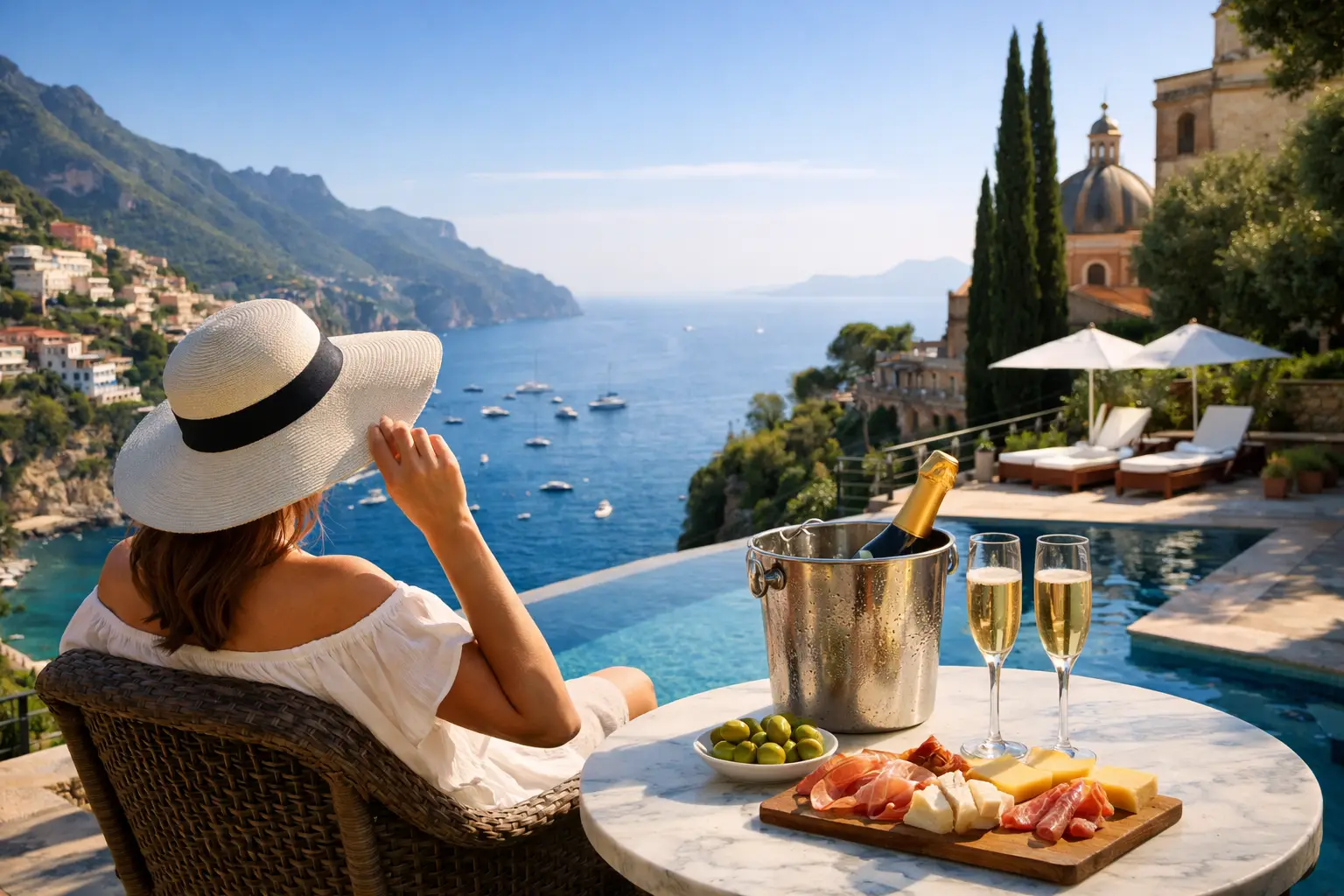
Luxury Italy Trip Guide for Refined Travel
A truly memorable Italian journey rarely falls apart in the obvious places. It is not the five-star hotel that disappoints, but the poorly timed transfer, the overbooked museum day, the table that looked perfect online and felt forgettable in person. That is why a luxury Italy trip guide should do more than name beautiful destinations. It should help you shape a trip that feels elegant from arrival to departure.
Italy rewards discernment. The country is rich in headline destinations, but luxury here is often found in the quieter decisions – which neighborhood suits your style, when to move between cities, how many stops are too many, and where private access genuinely adds value. For travelers who want exceptional experiences without spending their vacation managing details, thoughtful planning matters as much as the destination itself.
What a luxury Italy trip guide should actually help you decide
The first question is not where to go. It is how you want to feel while traveling. Some clients want grand hotels, couture shopping, and polished city energy. Others want long lunches in the countryside, private winery visits, and suites with terraces over the sea. Italy can do both beautifully, but not always in the same itinerary.
A well-designed trip begins with pace. Rome, Florence, Venice, the Amalfi Coast, Lake Como, and Tuscany all deserve attention, yet trying to fit them into ten days often creates a schedule that looks impressive and feels rushed. For most luxury travelers, fewer bases with deeper experiences produce a far more satisfying result. Three nights in each stop is usually the minimum for a graceful rhythm, and four or five nights in select destinations is often even better.
Season matters, too. May, June, September, and early October are especially appealing for a reason. Weather is favorable, outdoor dining is in full swing, and the overall atmosphere feels lively without the intensity of peak summer. July and August can still be wonderful, particularly for coastal stays and yachting, but heat, crowds, and pricing should be weighed carefully. Winter offers its own appeal in cities such as Rome, Florence, and Milan, where cultural touring, festive markets, and more relaxed access can make the experience feel more intimate.
Choosing the right Italian itinerary for your style
Italy is best planned in combinations that make geographic and aesthetic sense. Rome and Florence pair well for travelers who want art, history, refined hotels, and exceptional dining. Venice with Lake Como suits those drawn to cinematic arrivals, elegant service, and a more romantic cadence. Tuscany and the Amalfi Coast can work beautifully together, but only with enough time to enjoy both without spending too much of the trip in transit.
Honeymooners and anniversary travelers often do well with a three-part structure: a city, a countryside retreat, and a coastal finale. That progression allows the trip to build naturally, beginning with culture and energy, then softening into privacy and scenic calm. Travelers focused on food and wine may prefer a slower route through Florence, Tuscany, and Emilia-Romagna, where private tastings, cooking experiences, and villa stays can create a more personal version of luxury.
The trade-off is simple. The more destinations you add, the more your trip becomes about movement. The fewer you choose, the more each place has room to unfold.
Hotels define the tone of the trip
In Italy, hotel selection is rarely just about star rating. It is about atmosphere, service style, location, and whether the property matches the experience you want. A grand palace hotel in Venice offers a very different mood than a discreet boutique property on a quiet canal. A legendary Roman address may be ideal for some travelers, while others would rather stay somewhere intimate with deeply personalized service.
Location can shape your entire stay. In Florence, being close to the historic center is convenient, but a hotel with hillside views just beyond the busiest streets may feel far more serene. On the Amalfi Coast, sea views are a priority, yet access and transfer logistics matter just as much. In Venice, where every arrival is part of the experience, a property with a private dock can make a meaningful difference.
For families or multigenerational travel, suite layouts and connecting options deserve close attention. For couples, privacy, spa facilities, and terrace dining may matter more than proximity to major attractions. Luxury is personal, and the right hotel should support your pace rather than simply impress on paper.
Why transfers and arrival details matter more than most travelers expect
One of the clearest distinctions between standard travel and high-end travel is how transitions are handled. Italy is beautiful, but it can be logistically complex. Airports, train platforms, port transfers, and historic centers with limited vehicle access all require careful coordination.
This is where thoughtful planning becomes visible. A private driver waiting after a long-haul flight, luggage handled properly, train tickets issued in the correct class, and a smooth hotel check-in can change the tone of the day entirely. In Venice especially, a signature water arrival is not just practical. It is part of the experience, and done well, it creates an immediate sense of occasion.
There are times when first-class train travel is preferable to a short flight, particularly between major cities. There are also times when a private car is the more comfortable choice, especially if you want to stop at a winery, hill town, or scenic estate along the way. The right answer depends on your route, timing, and tolerance for transitions. Good planning takes all three into account.
Private touring should add depth, not just exclusivity
Private guides are worth it when they offer context, access, and a pace tailored to you. They are less valuable when they simply recreate a standard group itinerary with a higher price tag. The best luxury experiences in Italy feel informed and personal.
In Rome, that might mean a historian who brings the Forum and Vatican to life without making the day feel academic. In Florence, it could be a specialist who understands Renaissance art but also knows when to leave room for an unhurried lunch. In Tuscany, a private driver-guide may be the better choice if you want to move easily between wineries, villages, and countryside estates.
Not every day should be programmed. Some of the most satisfying itineraries build in open time for shopping, a spa afternoon, a slow aperitivo, or simply enjoying the hotel. Luxury travel is not about constant activity. It is about freedom supported by excellent choices.
Dining well in Italy requires curation
Italy is full of charming restaurants, but high-season demand, local holiday closures, and the difference between a pretty room and a genuinely memorable meal all make advance strategy worthwhile. The best reservations are often the hardest to secure, especially in Capri, Positano, Rome, and Venice.
A good dining plan balances signature evenings with relaxed neighborhood meals. Not every dinner should be formal. In fact, part of traveling well in Italy is knowing when to choose a polished tasting menu and when to opt for a quieter trattoria with exceptional ingredients and understated service.
Dietary preferences, celebration dinners, wine interests, and even table placement should be considered ahead of time. For a milestone trip, those details matter. Tasteful planning allows the culinary side of the journey to feel personal rather than generic.
A luxury Italy trip guide for special occasions
Italy is especially well suited to honeymoons, anniversaries, birthdays, and family milestone trips because it offers both romance and structure. You can pair extraordinary settings with experiences that feel easy to enjoy: private boats, vineyard lunches, custom shopping support, after-hours cultural visits, and beautifully timed surprises.
The key is restraint. A special occasion does not need constant decoration to feel memorable. Often it is the quiet polish of the trip that creates the luxury – champagne waiting at arrival, a room with the right view, a private guide who understands your interests, a table reserved exactly when and where it should be.
For discerning travelers, that is the difference between expensive travel and beautifully handled travel. Newport Elite Concierge approaches Italy with that standard in mind, shaping itineraries around personal taste, polished logistics, and the kind of insider detail that allows each day to feel effortless.
When custom planning is worth it
If your trip includes multiple destinations, special access, premium hotels, or celebration elements, custom planning usually pays for itself in time, comfort, and avoided mistakes. It is particularly valuable if you care about service consistency across the entire journey. A wonderful hotel cannot compensate for poor transfers, weak restaurant selections, or a route that asks too much of your schedule.
The most successful luxury trips to Italy feel calm. They are not overbuilt. They anticipate bottlenecks, account for seasonality, and leave room for spontaneity without leaving key details to chance. That is the real purpose of a luxury Italy trip guide – not to overwhelm you with options, but to help you choose well.
Italy never needs embellishment. It needs refinement, timing, and a clear sense of what kind of traveler you are. Start there, and the trip becomes more than beautiful. It becomes effortless in all the ways that matter.