First Class Trip Planning, Beautifully Handled
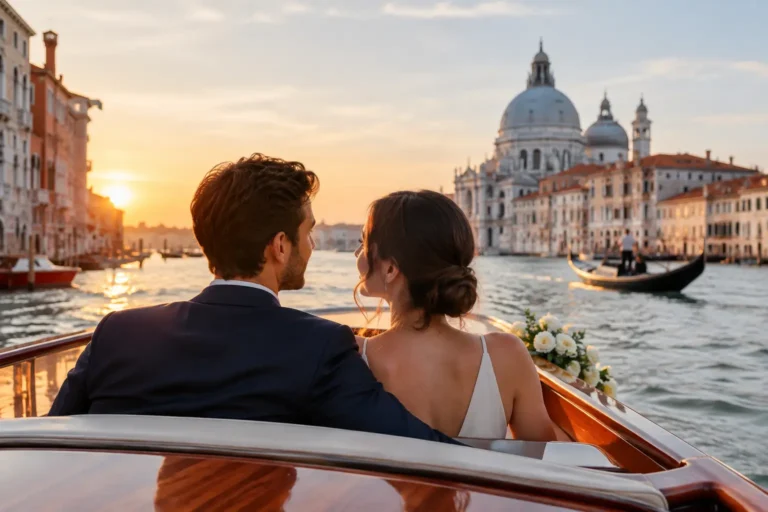
A private boat arriving at a Venetian palazzo, a coastal table timed precisely for sunset in Newport Beach, a driver waiting after a long-haul flight – these are not incidental details. They are the difference between a good vacation and a journey that feels entirely your own. First class trip planning is not simply about selecting premium hotels or flying in a better cabin. It is the careful orchestration of time, access, comfort, and personal taste.
For travelers who value privacy and polish, the greatest luxury is often freedom from logistics. The right plan allows each day to unfold naturally, while every reservation, route, and transition has already been considered.
What First Class Trip Planning Really Means
A first-class journey should feel personal, not performative. It may include a celebrated hotel suite, but it also considers whether that suite is quiet, whether the neighborhood suits your pace, and whether arriving there after an overnight flight will be easy. It means choosing a restaurant for more than its reputation – considering the view, the energy, the timing, and the occasion.
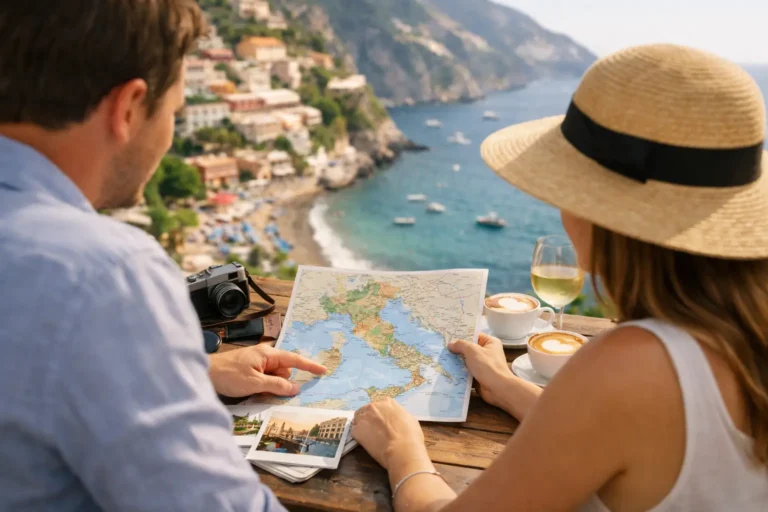
This is especially true in destinations where small decisions have a lasting effect. In Italy, a beautiful property can lose its appeal if it requires difficult transfers, sits too far from the experiences you value, or lacks the service style you prefer. Along the California coast, an otherwise perfect weekend can feel overplanned if every activity is scheduled without room for a spontaneous beach walk, gallery visit, or lingering lunch.
Thoughtful planning creates a structure that supports the trip without making it feel managed. The itinerary should be detailed behind the scenes and graciously unhurried in real life.
Begin With the Way You Want to Feel
The most effective planning begins before destinations, hotels, or restaurant lists enter the conversation. Start with the desired rhythm of the trip. Are you celebrating an anniversary with a few meaningful experiences and generous downtime? Would you rather have a private guide bring history and art into focus than spend hours navigating museums independently? Is this a multigenerational Italian holiday where ease matters as much as discovery?
These answers shape the entire experience. A couple seeking a restorative California escape may prefer a refined oceanfront stay, a private wellness appointment, and dinner reservations that do not require crossing town. A first-time visitor to Venice may want the romance of a water arrival paired with the assurance of a private host who can make the city immediately approachable.
Luxury is not a fixed checklist. Some travelers want an ambitious itinerary with private tastings, cultural appointments, and exquisite dining each day. Others want one superb plan per day and the space to follow their mood. Neither approach is more elevated than the other. The right choice depends on what will make the trip feel effortless to you.
Choose Fewer Places, More Carefully
One of the most common compromises in luxury travel is trying to see too much. Moving between cities can be rewarding, particularly in Italy, but every transfer takes time and energy. A three-night stay may look sufficient on paper while offering only one truly unhurried day once arrival and departure are accounted for.
For many travelers, two or three well-chosen bases offer more pleasure than an itinerary built around constant movement. In Tuscany, for example, a beautifully located countryside retreat can become the setting for winery visits, village lunches, and private cooking experiences without repeated packing. In Southern California, a Newport Beach stay can provide an elegant home base for coastal experiences while preserving the ease of returning to the same room each evening.
There are exceptions. A milestone journey may justify a fuller route, and travelers with limited time may reasonably prioritize variety. The key is to treat transitions as part of the experience, not empty space between highlights.
Plan the Arrivals and Transfers First
The moments between destinations are where even exceptional trips can become frustrating. Airport timing, luggage handling, vehicle size, hotel access, and local traffic all deserve the same attention as a dinner reservation.
Premium arrival planning begins with the flight schedule, not merely the destination. An early arrival may call for immediate hotel access, a restorative breakfast, or a gentle first afternoon rather than a demanding tour. A late landing may make a private transfer and in-room dining more valuable than a restaurant reservation that creates pressure from the start.
In Venice, the arrival itself can set the tone. A private water transfer offers far more than convenience when thoughtfully arranged. It creates a calm, memorable entrance to the city and avoids the uncertainty of handling luggage through unfamiliar passageways. In California, a discreet driver, a well-timed stop, and a hotel chosen for its access can make a weekend begin with composure rather than congestion.
Build in breathing room around each major move. The aim is not to fill every minute. It is to ensure that a delayed flight, an unexpectedly enchanting piazza, or an invitation to stay for another glass of wine does not unravel the day.
Let Hotels Set the Standard, Not the Schedule
A great hotel is not only a place to sleep. It can be a sanctuary, a social setting, a source of local intelligence, or a destination in its own right. Yet the most famous property is not automatically the best fit.
Consider the service atmosphere you enjoy. Some travelers appreciate the privacy and calm of a smaller boutique hotel; others prefer the full capabilities of a grand property with a spa, multiple dining venues, and an experienced concierge team. Location matters just as much. A hotel near the attractions may be ideal for first-time visitors, while a quieter address can be better for guests who have visited before and want a more residential sense of place.
The hotel should support the intention of the trip. For a honeymoon, that may mean a room with a private terrace and thoughtful arrival touches. For a family celebration, it may mean connecting accommodations, reliable transportation access, and spaces where everyone can gather comfortably. First-class planning matches the property to the people, rather than selecting by name alone.
Reserve Dining Around the Day You Are Actually Having
Exceptional dining is often central to a memorable trip, but a celebrated reservation at the wrong time can become an obligation. The best restaurant planning considers geography, dress, transfer time, pacing, and the kind of evening you want.
A formal dinner after a full day of touring may be perfect for some guests and exhausting for others. A relaxed waterside lunch may be the more memorable choice after a morning on the water. In Italy, a beloved neighborhood trattoria can be as meaningful as a marquee dining room when it suits the setting and gives you a genuine sense of place.
Build contrast into the dining plan. Balance one highly anticipated evening with more spontaneous meals. Leave room for a local recommendation, a market discovery, or the simple pleasure of ordering a second coffee where the morning feels especially good. A curated itinerary should create opportunities, not close them off.
Use Private Expertise Where It Changes the Experience
Private guides and drivers are most valuable when they add understanding, access, or ease that independent travel cannot readily provide. A skilled guide can make the difference between seeing a landmark and understanding why it matters. The right driver can turn a day of wine tasting or coastal exploration into a relaxed experience, especially when no one needs to navigate, park, or watch the clock.
Not every hour needs to be privately programmed. In fact, over-scheduling can dilute the pleasure of a destination. Reserve expert support for the experiences where it genuinely improves the day: a focused art visit, an architecture walk, a countryside route, a shopping appointment, or a special occasion that requires discreet coordination.
At Newport Elite Concierge, planning draws on California familiarity, Italian cultural insight, and decades of airline knowledge to anticipate the details guests may not see until they matter. That preparation allows the visible experience to remain beautifully simple.
Build an Itinerary That Can Breathe
The finest itineraries include both anchors and open space. Anchors are the reservations and arrangements that matter most: your arrival, hotel, a private experience, a milestone dinner, and any appointment with limited availability. The space around them is just as intentional.
A useful rhythm is to plan one primary experience each day, then allow the rest of the day to respond to the destination. That might mean a private morning in Florence followed by an unhurried afternoon, or a coastal excursion from Newport Beach followed by time at the hotel before dinner. When travelers have room to rest and wander, they often remember more.
Keep a quiet backup plan as well. Weather changes, museum closures, and travel delays are part of the reality of travel. Contingencies need not be dramatic. They may be as simple as a different lunch option, a later driver pickup, or a beautiful indoor experience held in reserve. The best adjustments feel like thoughtful alternatives, not compromises.
A well-planned trip should leave you with more than confirmations and photographs. It should leave you with the rare feeling that your time was respected, your preferences were understood, and every memorable moment had room to arrive naturally.