How to Book Private Tour Guides With Confidence
A private guide can turn a crowded morning at the Vatican into a thoughtfully timed visit through rooms that matter to you, or make a drive through Napa feel like an introduction to the people behind the vines. The difference is not simply skipping a line. It is having a knowledgeable professional shape the day around your interests, energy, and expectations. Knowing how to book private tour guides well is what separates a pleasant outing from a trip-defining experience.
For travelers who value privacy, comfort, and meaningful access, the right guide is never an afterthought. They are part historian, part cultural interpreter, and, at their best, a calm presence who makes a destination feel more personal.
Start With the Experience You Want
Before reviewing guide profiles or comparing rates, decide what you want the day to feel like. “A private tour of Florence” leaves too much open to interpretation. A more useful request might be an art-focused morning for two, with a measured pace, lesser-known Renaissance details, and time for a relaxed lunch afterward. That level of clarity helps a travel advisor or guide match you with the right person.
Consider the purpose of the experience as well. A honeymoon couple may prefer a guide who can create a romantic, unhurried day around beautiful neighborhoods and discreet dining recommendations. A multigenerational family may need someone patient, engaging with teenagers, and comfortable adjusting routes around mobility needs. A serious architecture enthusiast may value academic depth over a highly polished storytelling style.
Private does not automatically mean tailored. Ask whether the itinerary is designed from the beginning around your interests or whether the guide is adapting a standard route. Either can work beautifully, but they are different services and should be priced accordingly.
How to Book Private Tour Guides Who Truly Fit
The most reliable booking process starts with qualifications, then moves to chemistry and logistics. A guide may have excellent online reviews yet not be the right fit for your particular trip. The goal is to find someone who combines credible expertise with an intuitive understanding of how you like to travel.
Look Beyond a General Job Title
In many destinations, “tour guide” can mean anything from a local host with excellent restaurant knowledge to a licensed art historian qualified to lead guests through major museums and archaeological sites. Both have value, but their roles are not interchangeable.
For landmark-heavy days in Italy, ask whether your guide holds the required local license and has direct experience in the specific sites you plan to visit. In California wine country, credentials may be less formal, so local relationships, regional knowledge, and a refined sense of pacing can matter more. If you are booking a food tour, confirm whether the guide leads the experience personally or simply accompanies guests between prearranged stops.
A strong guide should be able to explain their specialty in a few clear sentences. Vague claims of being an “expert in everything” deserve a closer look.
Ask Questions That Reveal Their Style
A brief conversation or well-written email exchange often tells you more than a long list of testimonials. Ask how the guide would approach your interests, what they would recommend skipping, and how they handle an unexpected change in weather, energy, or museum access.
Their response should feel specific rather than rehearsed. The best guides have opinions, but they do not force a script. They might suggest an earlier start to enjoy Venice before the busiest hours, recommend a quieter chapel over another crowded gallery, or build in a proper espresso stop because they recognize that a well-paced day is more enjoyable than an overfilled one.
It is also wise to ask about group size. A guide who is wonderful with a couple may not be ideal for eight guests with different attention spans. If children are joining, confirm whether the guide has experience making history engaging without making the experience feel childish for the adults.
Match the Guide to the Destination
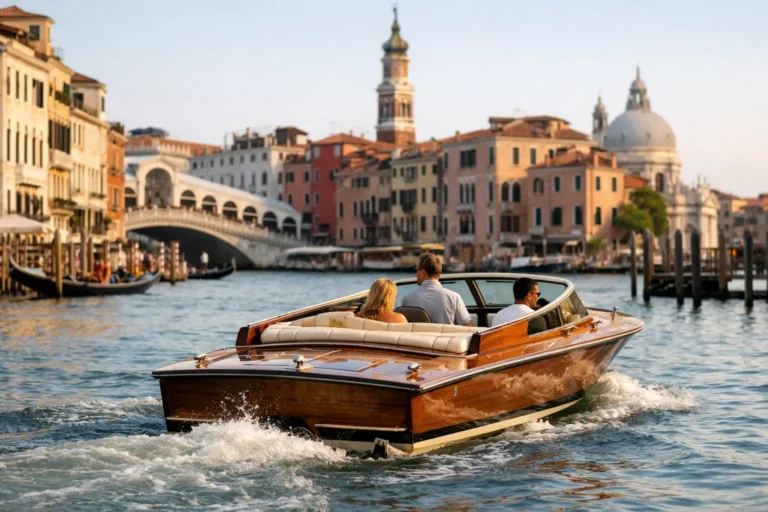
Private guiding is most valuable when a place has layers that are difficult to access independently. In Rome, that may mean context for ancient ruins, confidence navigating busy entrances, and an understanding of which collections merit your limited time. In Venice, it can mean choosing quieter canals, knowing when to arrive at St. Mark’s Basilica, and sharing the city’s history without losing the pleasure of simply being there.
In California, a private guide or driver-guide can be equally transformative. A day in Sonoma or Napa often depends on timing, reservations, and travel between estates. In coastal destinations, an insider can create a more polished itinerary around galleries, private tastings, scenic routes, and lunch reservations that would be difficult to coordinate at the last minute.
The trade-off is simple: highly specialized guides tend to cost more and book further ahead. For an important anniversary, first visit, or limited-time stay, that investment often protects the quality of the day. For a casual orientation walk, a talented local host may be all you need.
Confirm What Is Included Before You Commit
Luxury travel should feel easy, but the details still matter. Request a written outline that confirms the date, duration, meeting point, guide language, guest count, transportation arrangements, admission tickets, and cancellation terms. If the experience includes a driver, clarify whether the guide rides with you throughout the day or meets you at each location.
Rates can be structured by the hour, half day, full day, or experience. A lower initial price may not include museum reservations, vehicle costs, parking, tastings, meals, or after-hours access. There is no universal right arrangement, only the one that is transparent and suited to your plans.
For Italy, ask who secures timed-entry tickets and whether tickets are subject to availability. For wine country, confirm tasting fees, reservation deposits, and the policy for adding an extra stop. If you have dietary preferences, mobility considerations, or a strong preference for a particular vehicle style, share them before the itinerary is finalized.
Book Early for the Moments That Matter Most
The most sought-after guides are often reserved well before peak travel dates, especially in Rome, Florence, Venice, the Amalfi Coast, Napa Valley, and during major holidays. If your trip centers on a marquee museum, harvest season, a private boat, or a special occasion dinner, it is best to begin planning as soon as your dates are firm.
A practical window is three to six months ahead for popular periods, with more lead time for summer Italy, holiday travel, and complex itineraries. That said, last-minute arrangements are sometimes possible when you have flexibility with timing, guide preferences, or the exact route. A skilled concierge can quickly identify the best available option without compromising the overall feel of the day.
Early booking also gives room for thoughtful refinement. Rather than accepting the only remaining time slot, you can choose the hour that suits your natural rhythm, build a tour around reservations, and leave space for the unplanned pleasures that make travel memorable.
Let One Person Oversee the Moving Parts
A private guide is only one part of a well-composed day. Transfers, hotel location, restaurant timing, ticket collection, weather plans, and the route back to your accommodations all influence how an experience feels. When those pieces are handled separately, even an excellent guide can be working around avoidable friction.
This is where concierge planning adds particular value. Newport Elite Concierge can coordinate private guides alongside drivers, dining, hotel recommendations, and special-arrival details, so the day is designed as a whole rather than assembled in fragments. It is especially useful for travelers dividing time between California and Italy, where local knowledge and careful coordination can shape every transition.
You should still receive the guide’s name, contact information, and final meeting instructions before departure. A well-managed itinerary leaves you informed without requiring you to manage it yourself.
A Private Guide Should Leave Room for Discovery
The most polished private tour does not feel overproduced. It has structure, but also breathing room for the beautiful shop you notice from the street, the view worth lingering over, or the conversation that makes a place suddenly come alive.
When choosing a guide, look for expertise and access, but do not overlook temperament. The right person will know when to share the story, when to change course, and when to step back so you can simply enjoy where you are. That is the detail guests remember long after the itinerary is put away.